









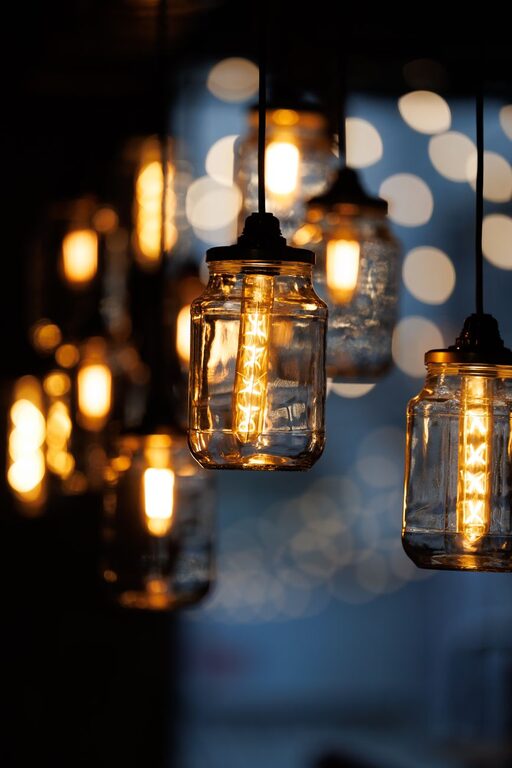
Creating comfortable home lighting is essential for making your living spaces feel inviting, functional, and relaxing. The right lighting can transform the mood of a room, highlight your décor, and support daily activities. On the other hand, poorly chosen lighting can cause discomfort, eye strain, and a lackluster atmosphere. Whether you are updating your entire home’s lighting or just refreshing one room, these tips will help you choose lighting that balances comfort and style.
Understanding Comfortable Lighting
Comfortable lighting is more than just brightness. It involves the right balance between light intensity, color, placement, and the type of fixtures used. Good lighting reduces glare and shadows, creates a pleasing ambiance, and meets the needs of the activities performed in each room.
Key Elements of Comfortable Lighting
– Brightness: Sufficient for the room’s use, but not overpowering
– Color Temperature: Warm or neutral tones that promote relaxation and clarity
– Glare Control: Fixtures and bulbs that minimize harsh reflections
– Layering: Combining different light sources for versatility
Assess the Purpose of Each Room
Before choosing lighting fixtures and bulbs, think about how you use each space. Different activities require different lighting approaches.
Common Room Uses and Lighting Needs
| Room | Typical Use | Lighting Suggestion |
|—————-|——————————–|———————————————–|
| Living Room | Relaxing, socializing | Warm ambient lighting with task lamps |
| Kitchen | Cooking, food prep | Bright, focused task lighting with adjustable options |
| Bedroom | Sleeping, reading | Soft, warm lighting with dimmable features |
| Bathroom | Grooming, hygiene | Clear, shadow-free lighting near mirrors |
| Home Office | Working, reading | Bright but comfortable lighting, avoid glare |
Choose the Right Bulbs for Comfort
The bulb you select plays a big role in lighting comfort.
Consider These Factors:
– Color Temperature: Measured in Kelvins (K), it affects how warm or cool light appears.
– Warm light (2700K-3000K) creates a cozy environment.
– Neutral light (3500K-4100K) is good for work areas.
– Cool light (5000K and above) mimics daylight and is energizing but can be harsh.
– Brightness: Measured in lumens, choose bulbs that provide enough light without overwhelming the space.
– Type of Bulb: LED bulbs are energy-efficient, long-lasting, and available in various colors and brightness levels.
Use Layered Lighting for Flexibility
One light source rarely fits all needs. Layered lighting combines:
– Ambient lighting: The main source, usually overhead fixtures or ceiling lights.
– Task lighting: Focused light where activities like reading or cooking take place.
– Accent lighting: Decorative lights that highlight artwork, plants, or architectural features.
Layered lighting lets you adjust the mood and functionality of a room easily.
Choose Fixtures That Support Comfortable Lighting
The design and material of light fixtures can avoid glare and distribute light evenly.
Fixture Tips:
– Use lampshades or diffusers to soften light.
– Recessed lighting can provide subtle ambient light without glare.
– Adjustable fixtures help direct light where it’s needed.
– Avoid bare bulbs in living spaces to prevent harsh light.
Control Your Lighting
Installing dimmer switches or smart lighting systems lets you adjust brightness depending on the time of day or activity. This flexibility can make your home more comfortable and even save energy.
Pay Attention to Natural Light
Make the most of windows and natural light. Position seating or working areas near windows when possible. Use light curtains to diffuse sunlight without blocking it entirely.
Final Checklist for Comfortable Home Lighting
– Define each room’s lighting needs based on activities.
– Choose warm to neutral bulb color temperatures for comfort.
– Use LED bulbs for efficiency and variety.
– Incorporate layered lighting: ambient, task, and accent.
– Select fixtures that reduce glare and spread light evenly.
– Add dimmers or smart controls for adaptable lighting.
– Utilize natural light to complement artificial lighting.
Conclusion
Comfortable home lighting combines thoughtful planning with the right products. By understanding your space and how you use it, selecting suitable bulbs and fixtures, and layering your lighting sources, you can create an inviting atmosphere that supports your lifestyle. Take your time experimenting with different lighting options—small changes can lead to a big improvement in comfort and style.