









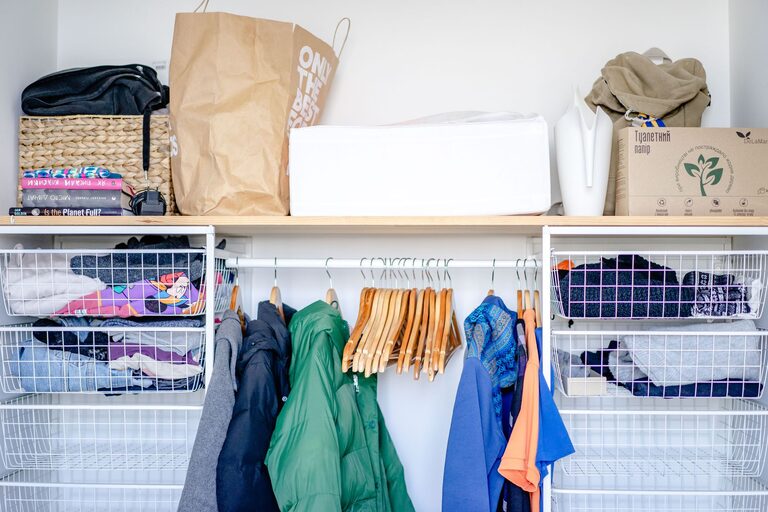
Storing seasonal clothes efficiently is a challenge many people face throughout the year. When the weather changes, swapping out your wardrobe can be time-consuming and messy without a clear plan. Properly storing your off-season clothes not only helps keep your living space neat but also protects your garments, so they stay fresh and ready to wear when the season returns.
In this post, we’ll explore easy, effective methods for storing seasonal clothes that save space, extend the life of your garments, and make swapping wardrobes a breeze.
Why Efficient Storage Matters
Before diving into how to store seasonal clothes, it’s important to understand why doing it properly benefits you:
– Space Savings: Clearing out off-season items frees up closet space for current wardrobe essentials.
– Clothing Longevity: Proper storage protects clothes from damage like fading, stretching, mildew, and pests.
– Ease of Use: Organized storage means you can quickly find items when they’re needed, reducing frustration.
– Cleanliness: Storing clothes properly keeps them free from dust and odors.
Step 1: Sort and Prepare Your Clothes
Start by sorting through your clothes before putting them away. This helps you keep only what you need and prevents storing anything damaged or unwanted.
Tips for Sorting:
– Check for Damage: Repair any tears or loose buttons before storage.
– Wash and Dry Thoroughly: Clean clothes prevent mildew and odors. Avoid storing dirty items.
– Declutter: Consider donating or recycling clothes you no longer wear.
– Organize by Type: Group similar items together, such as sweaters, coats, or scarves.
Step 2: Choose the Right Storage Solutions
Selecting appropriate storage containers helps protect your clothes and makes the most of your available space.
Storage Options:
– Vacuum-Sealed Bags: These compress clothes, saving significant space and protecting from moisture and pests. Ideal for bulky items like winter coats and sweaters.
– Plastic Bins with Lids: Durable bins keep clothes safe from dust and insects. Look for stackable bins to maximize vertical space.
– Fabric Storage Bags: Breathable bags prevent moisture buildup and are good for delicate fabrics.
– Under-Bed Storage: Flat containers designed to slide under your bed use otherwise wasted space for seasonal items.
– Suitcases or Storage Ottomans: Dual-purpose furniture or travel gear can hold clothes when not in use.
Step 3: Prepare Clothes for Storage
How you fold or pack clothes affects both their condition and the ease of unpacking next season.
Best Practices:
– Fold Carefully: Avoid tight wrinkles by folding clothes neatly.
– Use Acid-Free Tissue Paper: Place tissue paper between layers to prevent creasing and protect delicate materials.
– Avoid Hanging Heavy Items: Sweaters and heavy knits should be folded to prevent stretching.
– Include Cedar or Lavender: Natural repellents help deter moths and keep clothes smelling fresh.
Step 4: Store Clothes in a Suitable Environment
Where you keep your seasonal clothes affects their preservation.
Environment Tips:
– Cool, Dry Area: Avoid attics or basements that may be hot, humid, or prone to pests.
– Away from Direct Sunlight: Sunlight can fade colors and weaken fibers.
– Good Ventilation: Prevent musty odors by allowing air circulation in storage spaces.
Step 5: Label and Organize
Keeping items labeled and organized saves time when it’s time to switch your wardrobe again.
Labeling Tips:
– Use Clear Labels: Mark containers with contents so you don’t have to open each bin.
– Keep an Inventory: Make a list of stored items to keep track of your collection.
– Group Similar Items: Store like items together for easy access.
Additional Tips for Seasonal Storage
– Rotate Clothes Annually: This helps refresh your wardrobe and prevents long-term storage damage.
– Avoid Plastic Bags: Regular plastic bags trap moisture and can cause mildew.
– Use Mothballs Cautiously: If you prefer natural repellents, mothballs should be used in well-ventilated areas and kept away from children and pets.
– Check on Items Occasionally: Inspect stored clothes every few months to ensure no damage has occurred.
Conclusion
Efficiently storing your seasonal clothes is about more than just packing them away—it’s about protecting your garments, making smart use of space, and keeping your home organized. By sorting, choosing the right storage methods, preparing your clothes properly, and organizing with care, you can make seasonal wardrobe changes smooth and hassle-free.
With these tips, you’ll find that managing your clothes throughout the year becomes easier, leaving you more time to enjoy your favorite outfits when the season calls for them. Happy organizing!